Tarique Rahman Vows Anti-Corruption Drive as Bangladesh Holds First Election Since Sheikh Hasina’s Fall
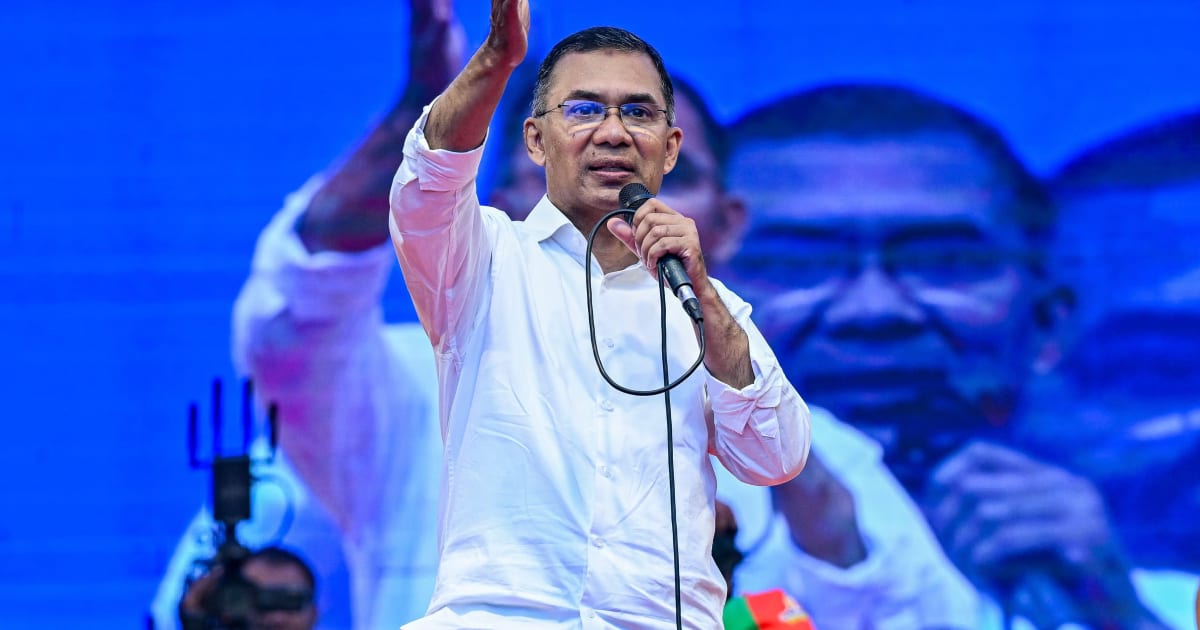
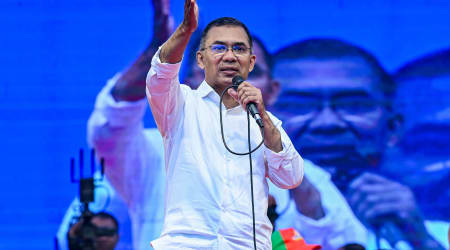
Bangladesh began voting on Thursday in its first national election since the 2024 removal of former prime minister Sheikh Hasina, with Bangladesh Nationalist Party (BNP) leader Tarique Rahman emerging as a leading contender.
Rahman, who recently returned to Bangladesh after more than 17 years abroad, has pledged sweeping political reforms and a strict anti-corruption campaign if his party forms the next government.
A Pivotal Election
The vote is widely viewed as a defining moment for Bangladesh’s democratic future. The country has been governed by an interim administration led by Nobel laureate Muhammad Yunus since Hasina’s ouster last year, following a student-led uprising and months of unrest.
Authorities have described the election as the first in nearly two decades expected to be conducted under fully competitive conditions. More than 120 million registered voters are eligible to cast ballots, with hundreds of thousands of security personnel deployed nationwide to maintain order.
Political analysts say the credibility of the process will play a crucial role in stabilising the country after years of political tension.
Rahman’s Reform Agenda
In remarks ahead of polling day, Rahman promised what he called a “top-down, zero-tolerance” approach to corruption. He argued that restoring accountability across government institutions would be essential to rebuilding public trust and reviving economic momentum.
“Our priority will be ensuring transparency at every level,” he said, adding that systemic reform would take time but was necessary to move the country forward.
Bangladesh has long faced criticism over governance standards and corruption rankings, issues that have dominated campaign debates.
Political Background
Rahman took over leadership of the BNP from his mother, former prime minister Khaleda Zia, a central figure in Bangladeshi politics for decades. He returned to the country late last year after courts overturned earlier convictions tied to corruption and terrorism-related cases — charges he has consistently described as politically motivated.
During Sheikh Hasina’s 15-year tenure, the BNP accused the ruling Awami League of suppressing opposition voices and manipulating electoral outcomes. Hasina, who is currently outside Bangladesh, was removed from office amid widespread protests in 2024.
The BNP is expected to face competition from several parties, including the Islamist Jamaat-e-Islami, which has regained political ground following the political transition.
Concerns Over Extremism and Governance
The resurgence of Islamist political groups has sparked debate about Bangladesh’s secular foundations. Human rights organisations have expressed concern over reported incidents of moral policing and growing conservative activism in some areas.
Rahman has stated that extremist tendencies should not define the country’s religious identity, arguing that economic opportunity and democratic participation would help counter radicalisation.
Regional Relations in Focus
Beyond domestic reforms, the next government will face diplomatic challenges — particularly relations with India. Bilateral ties deteriorated after Hasina’s departure, despite historically close cooperation between the two neighbours.
Rahman has indicated that any future engagement with India would be based on “mutual respect and understanding,” though he acknowledged that rebuilding trust may take time.