U.S. and India Move Closer to Interim Trade Deal as Talks Advance on Full BTA
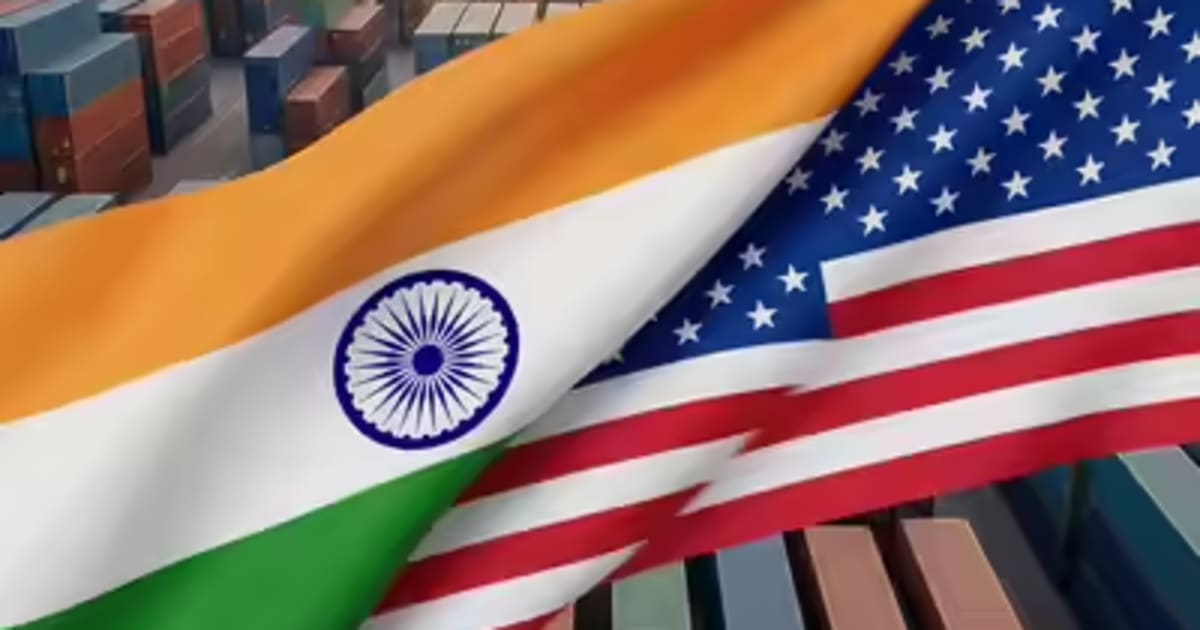
The United States and India are intensifying negotiations on an interim trade agreement that officials say could serve as a stepping stone toward a comprehensive Bilateral Trade Agreement (BTA), according to a White House briefing released this week.
The interim framework, announced following recent high-level discussions between Washington and New Delhi, is designed to address immediate trade barriers while laying the groundwork for a broader and more permanent economic pact between the two countries.
According to the White House, both sides will continue talks in the coming weeks to resolve outstanding issues, including services, investment, labour standards, and government procurement.
Tariff Reductions and Market Access
As outlined in the fact sheet, India has agreed to eliminate or reduce tariffs on a wide range of U.S. industrial goods and agricultural products. These include items such as dried distillers’ grains, red sorghum, tree nuts, fresh and processed fruits, select pulses, soybean oil, wine, spirits, and other food products.
The agreement also includes commitments by India to significantly increase purchases of American goods, spanning energy, information and communication technology, agriculture, coal, and related sectors. U.S. officials estimate these purchases could exceed $500 billion over time.
The White House said the framework is aimed at improving market access for U.S. exporters while lowering both tariff and non-tariff barriers that have long affected bilateral trade.
Addressing Longstanding Trade Frictions
U.S. officials have frequently pointed to India’s historically high tariffs as a source of imbalance in the trade relationship. According to the briefing, average tariffs on agricultural goods have reached as high as 37 per cent, with some automotive tariffs exceeding 100 per cent.
In addition to tariffs, the fact sheet cited India’s use of non-tariff barriers that have restricted access for American products. The interim framework seeks to address these concerns through phased reforms and continued negotiations.
The White House described the agreement as a “tangible path forward” that reflects the administration’s broader push for reciprocal and balanced trade relationships with major partners.
Digital Trade and Economic Security
Beyond traditional goods, the interim framework includes commitments on digital trade. India has agreed to remove its digital services taxes and to negotiate a set of bilateral digital trade rules aimed at reducing discriminatory or burdensome practices. These rules would also prohibit customs duties on electronic transmissions.
Both countries also committed to strengthening cooperation on economic security, including measures to enhance supply chain resilience, expand joint technology development, and align approaches to investment screening and export controls.
Officials said the two sides will work together to counter non-market policies by third countries that distort global trade and investment flows.
Path to a Full BTA
Under the roadmap outlined in the agreement’s terms of reference, negotiations will continue on a wide range of issues, including technical barriers to trade, customs procedures, regulatory practices, trade remedies, intellectual property, labour and environmental standards, and government procurement.
The framework also calls for negotiations on rules of origin to ensure that the benefits of any final agreement accrue primarily to the United States and India.
Recent Developments
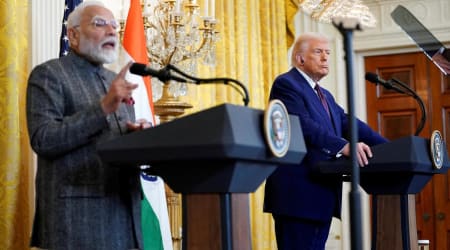
The trade push follows a call last week between President Donald Trump and Indian Prime Minister Narendra Modi, during which both leaders reaffirmed their commitment to advancing the interim framework and pursuing a full Bilateral Trade Agreement.
The White House also confirmed that President Trump has moved to reduce trade tensions by removing an additional 25 per cent tariff previously imposed on Indian imports. The decision followed India’s commitment to halt purchases of Russian oil.
As part of the adjustment, the United States lowered its reciprocal tariff on India from 25 per cent to 18 per cent, a move officials say reflects improved alignment between the two countries on trade and national security priorities.